Complete History of the Musée Picasso Paris
Explore the story of the Hôtel Salé, the dations that formed the collection, and the evolving ways we understand Picasso today.
Table of Contents
Picasso’s Life & Legacy
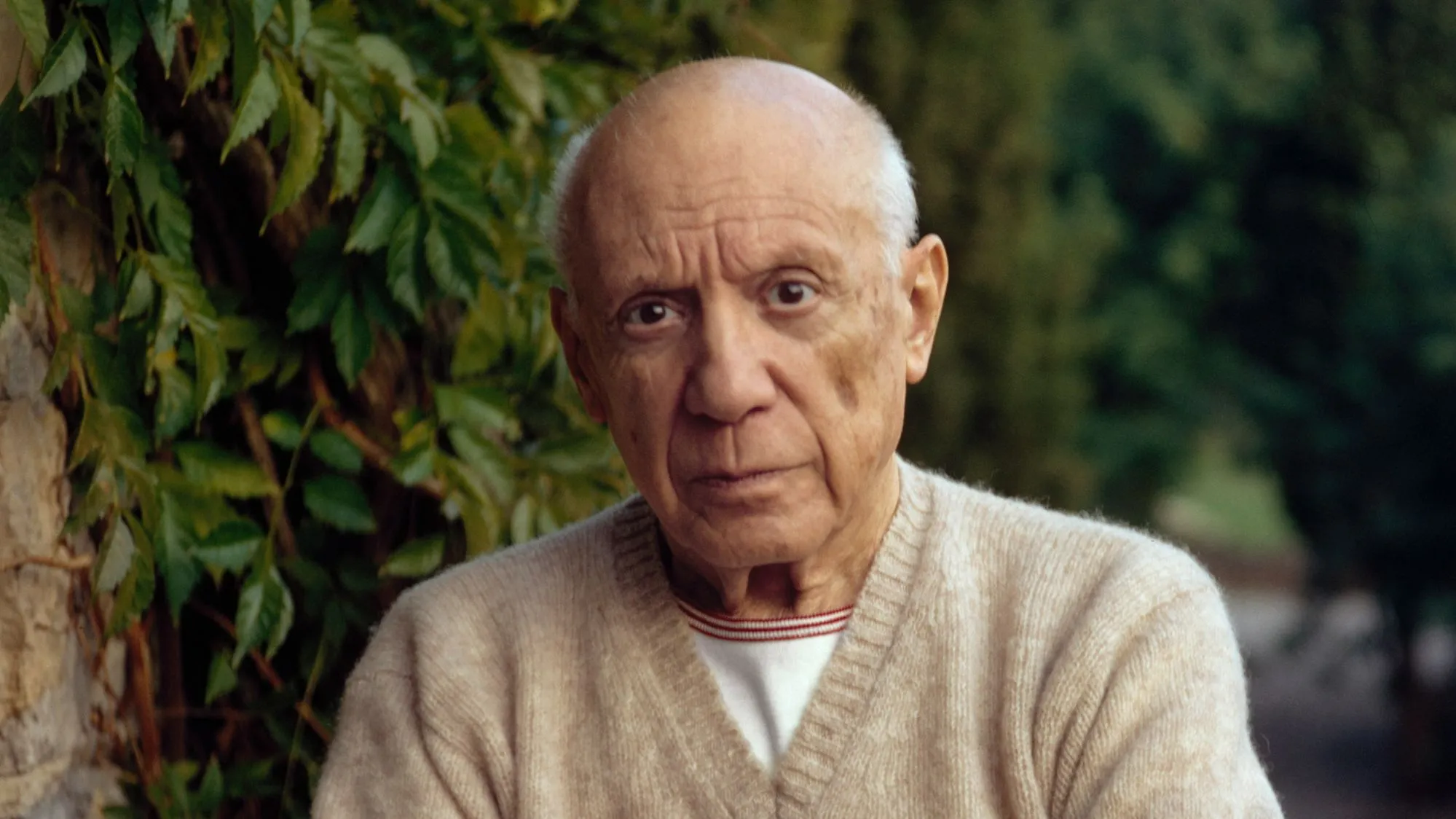
Pablo Picasso (1881–1973) moved restlessly through styles, cities, and materials: Málaga to Barcelona, Madrid to Paris; charcoal and oil, scrap metal and clay. He embraced contradiction — tenderness and ferocity, discipline and play — leaving a body of work that refuses to sit still. The Musée Picasso Paris brings that legacy close, not as a single ‘master narrative’ but as a constellation of attempts, reversals, and renewals.
Rather than a hall of trophies, the museum reads like a working diary: early academic sketches, Rose‑Period warmth, the jagged clarity of Cubism, collaborations with poets and printers, late‑life variations dashed off with startling freedom. It is a story of reinvention that still unsettles and delights, inviting us to look slowly and change our minds.
From Hôtel Salé to Museum
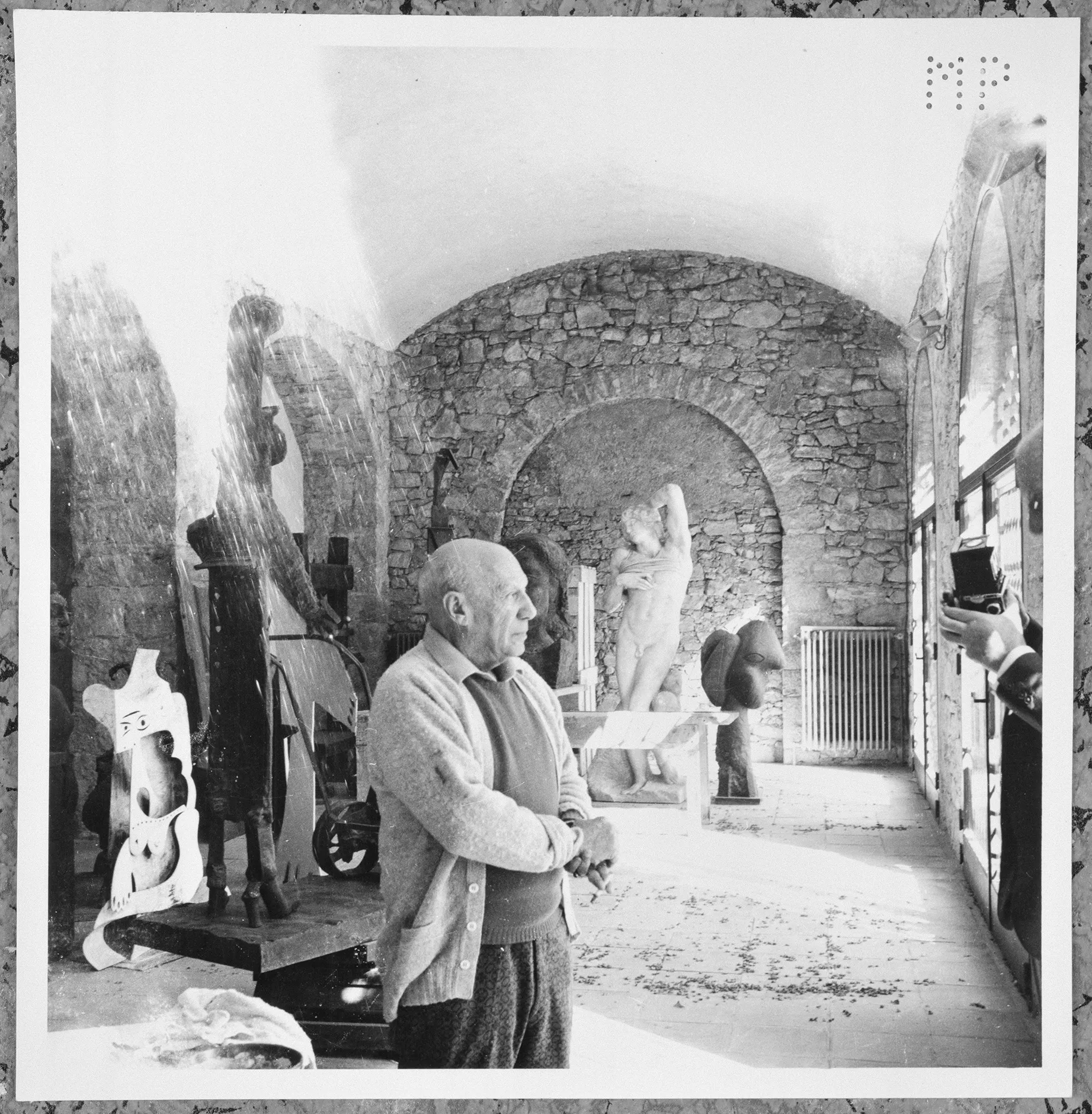
The Hôtel Salé was built in the 1650s for Pierre Aubert de Fontenay, a tax farmer whose fortune from salt (hence ‘Salé’) funded a residence of theatrical scale. Over centuries, the townhouse hosted schools and institutions, each leaving marks on the stone. In the late 20th century it was restored to house a new kind of museum: one shaped by artists’ papers, studio objects, and the intimacy of practice.
France’s dation program — accepting artworks in lieu of estate taxes — allowed Picasso’s heirs to donate an unparalleled ensemble of works and archives. The museum opened in 1985 and later underwent a major transformation (2009–2014), rethinking circulation, light, and display to give the collection room to breathe.
Architecture & Restoration
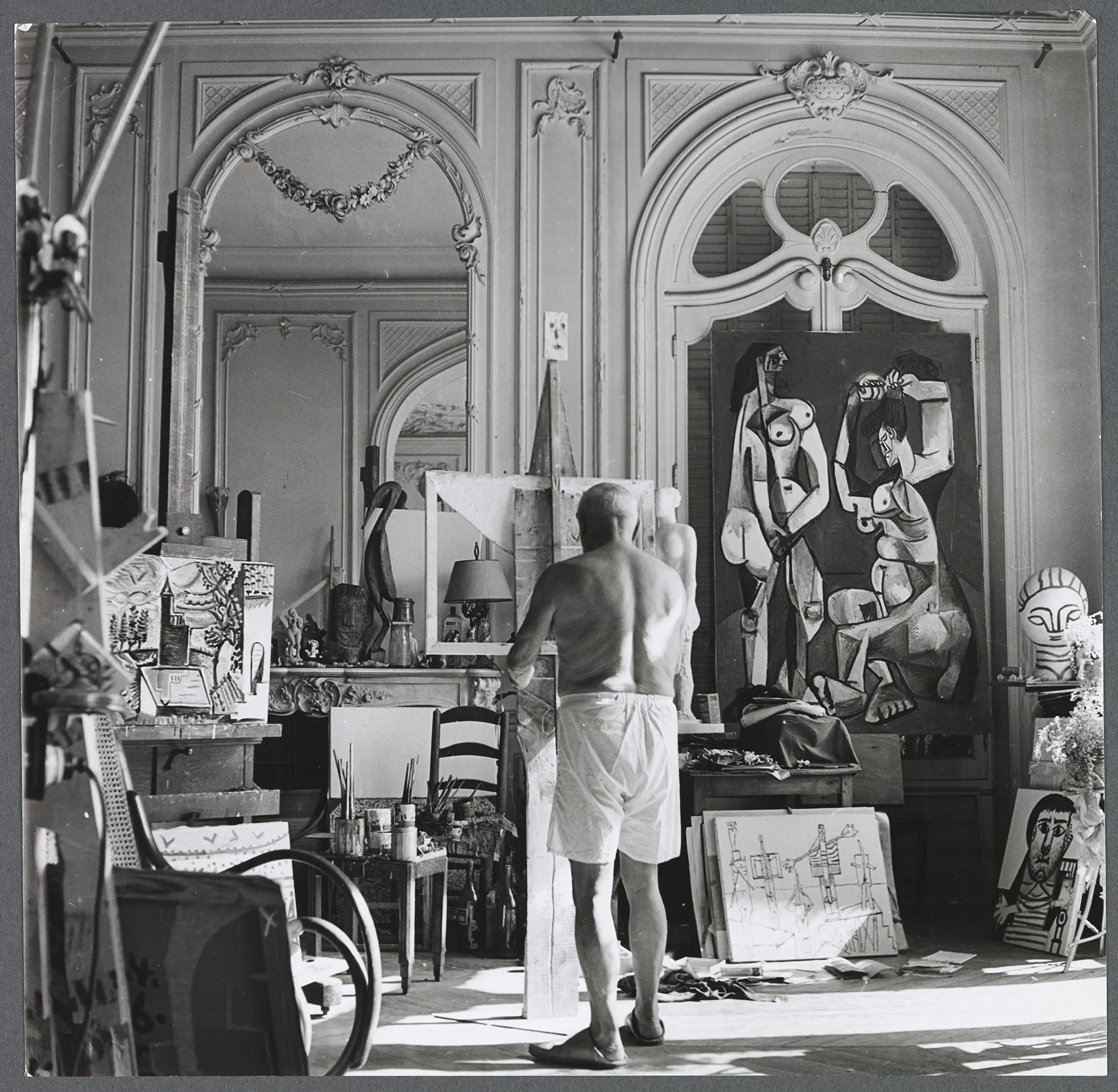
The Hôtel Salé’s baroque program is exuberant: a grand staircase that stages arrivals, stucco swirls catching light, and salons tall enough to let large works breathe. Restoration sought restraint — clean surfaces without erasing patina — so that architecture and art could share the stage.
Today’s circulation moves from sweeping rooms to intimate cabinets, alternating vistas and close‑looking. Windows frame the Marais; parquet creaks gently underfoot. The building doesn’t just contain Picasso — it converses with him, ornament and experiment trading winks across centuries.
Collections, Archives & Exhibitions
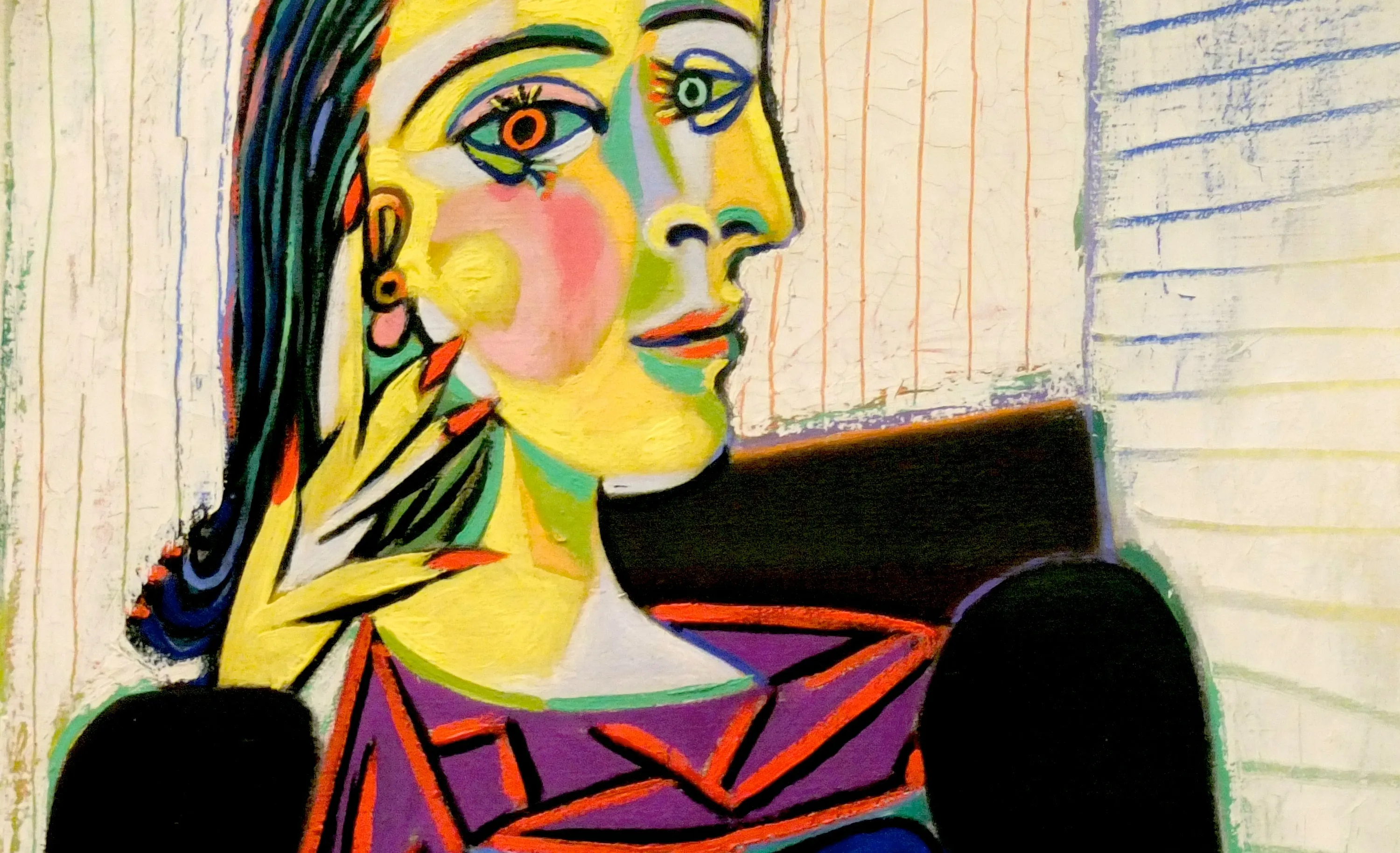
Beyond famous canvases, the museum’s power lies in what artists rarely show: hundreds of drawings, notebooks filled with arrows and doubts, printer’s proofs with corrections, scraps pinned to ideas. Sculptures in plaster and metal stand beside ceramics made with a mischievous grin.
Temporary exhibitions keep the collection alive — dialogues with contemporaries, reunions of series, or deep dives into a single theme or relationship. Archives underpin it all, anchoring scholarship and letting curators change the story without losing the thread.
Conservation & Research
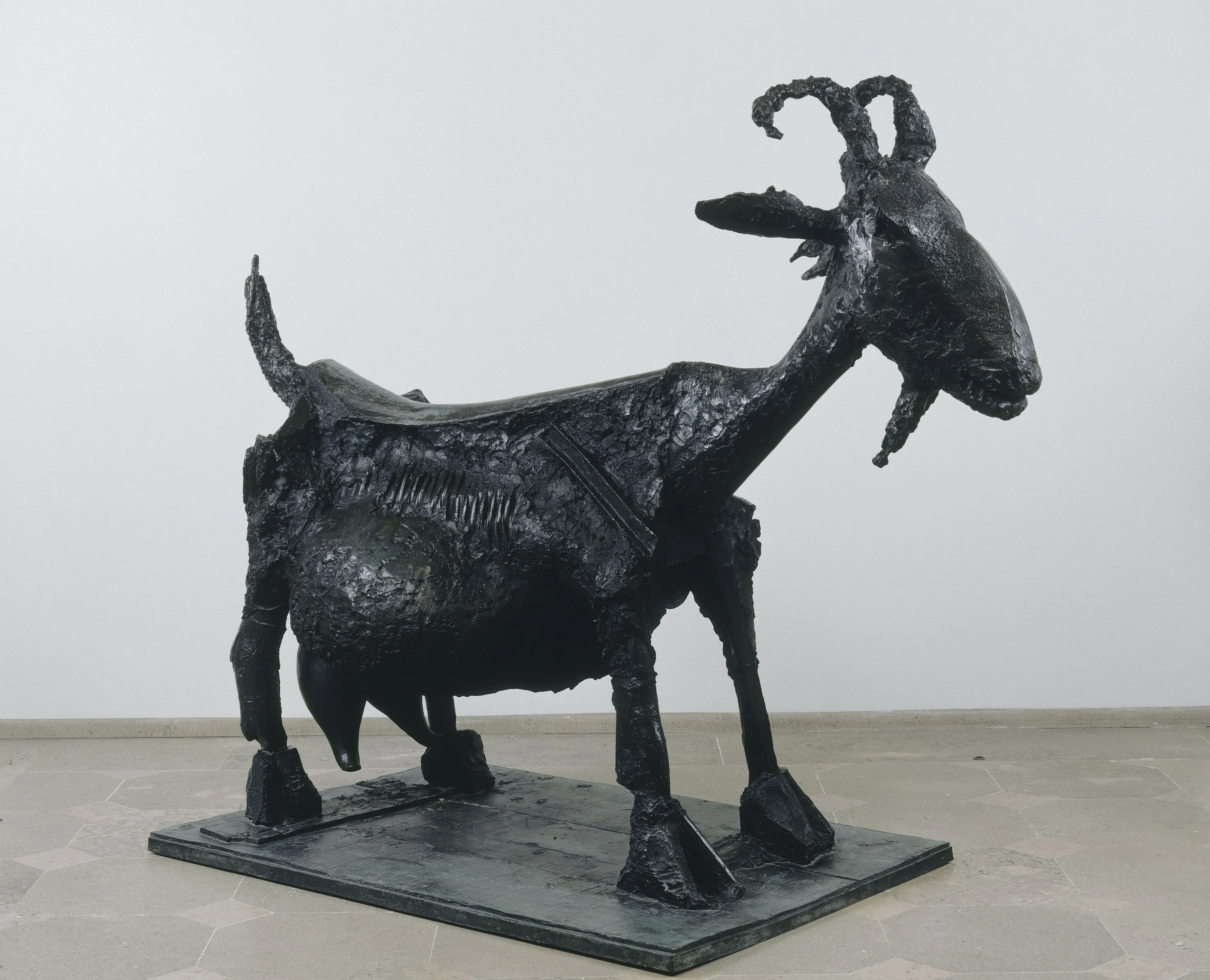
Paper, plaster, and clay age differently. Conservators stabilize fragile supports, retension canvases, and rethink mounts so objects remain viewable without stress. Research projects trace materials and methods, from studio castings to printmaking partnerships.
Digital catalogues, provenance studies, and technical imaging open new questions: how an idea travels from drawing to sculpture; how a color recipe returns decades later; how archives complicate myths with ordinary evidence — invoices, invitations, snapshots.
Cultural Impact & Media
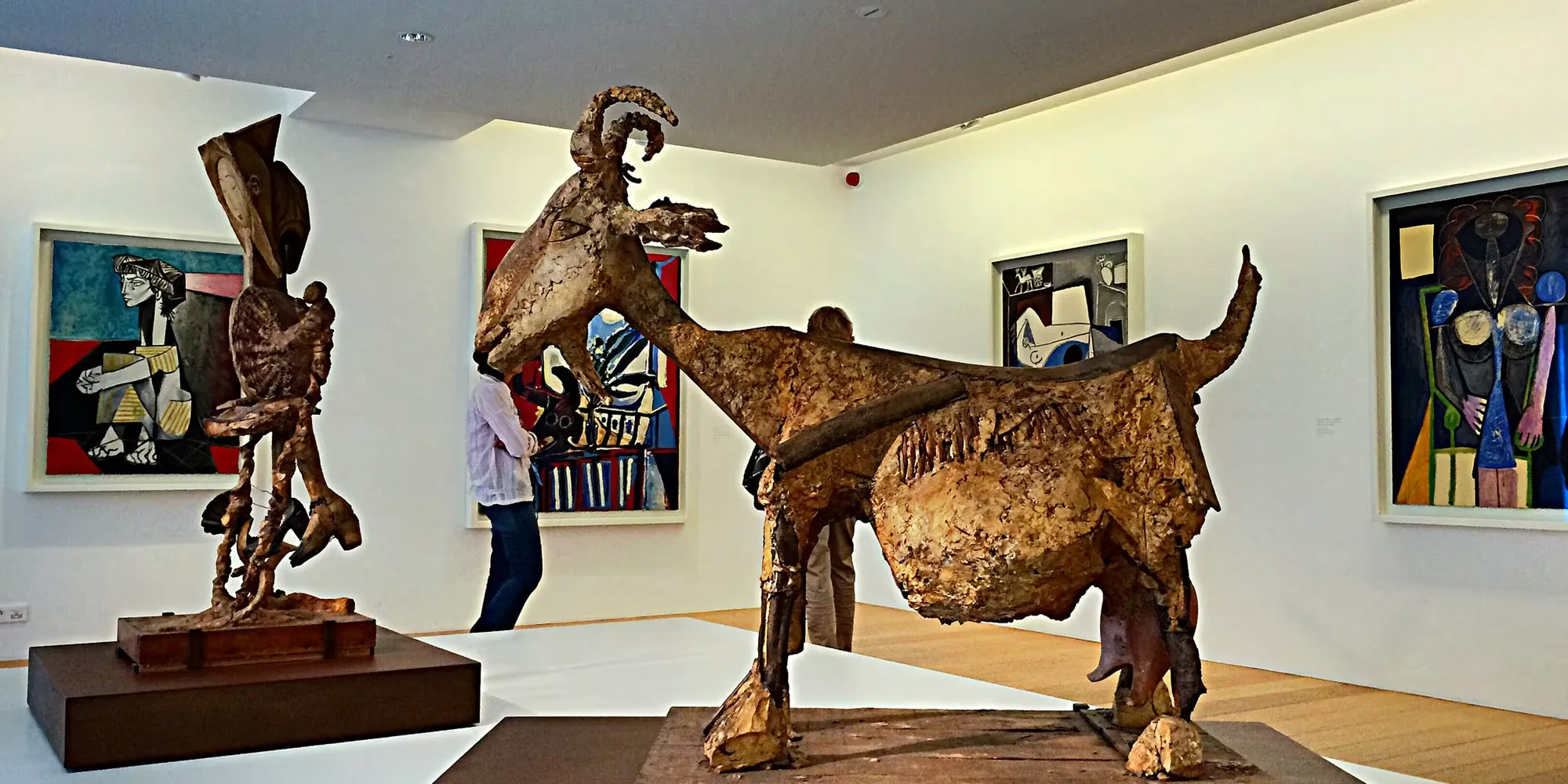
Picasso’s image — striped shirts, fierce eyes, quick hands — saturates books, posters, films. The museum navigates familiarity by foregrounding process, showing how repetition breeds invention and how myths can be gently corrected by evidence.
Public programs — talks, screenings, concerts — open new doors to the work. The museum has become a node in a larger cultural network, collaborating with institutions and lending works that travel widely.
Visitor Experience Over Time
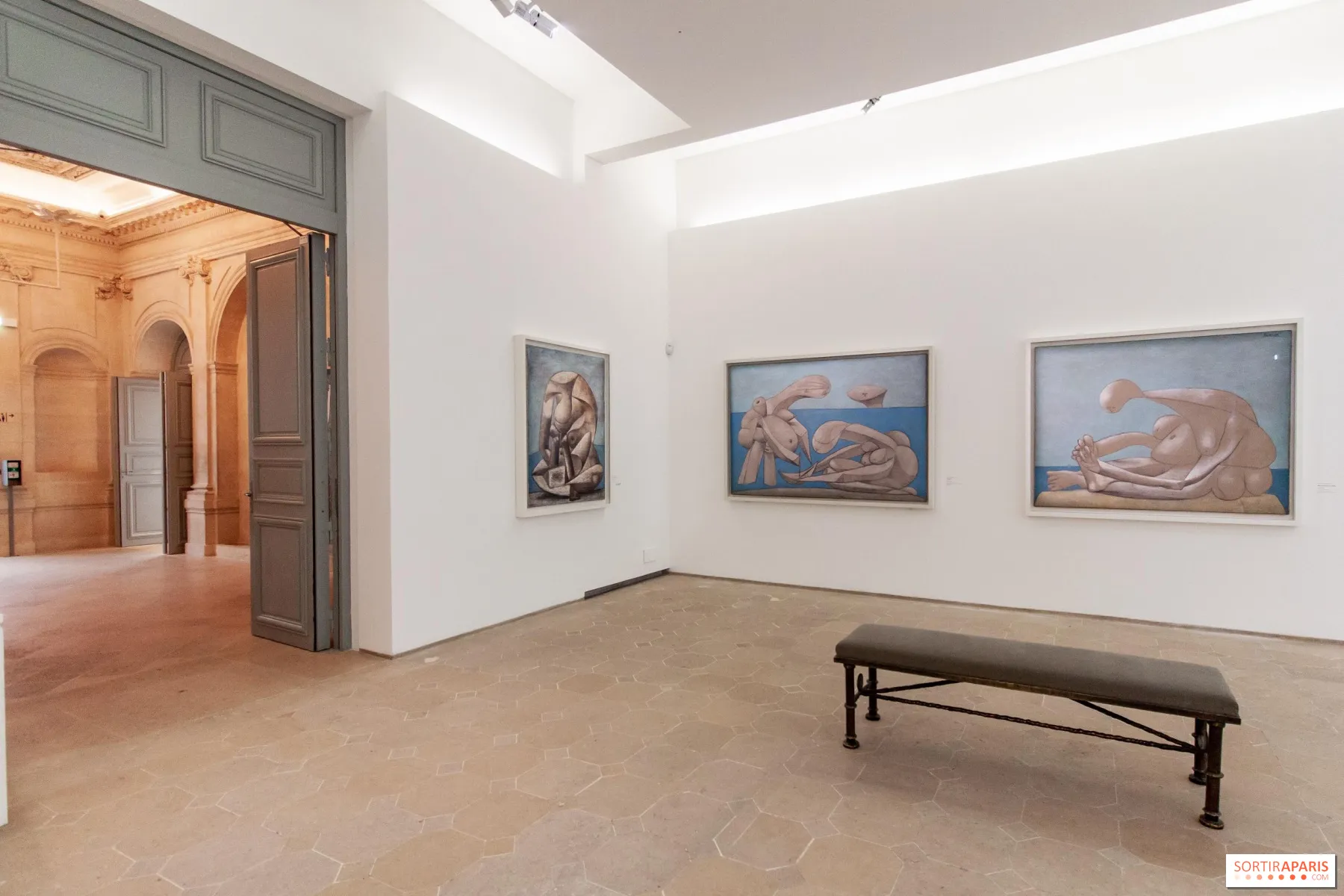
Early displays emphasized ‘masterpieces’; over time, the museum has shifted toward narratives — periods, relationships, collaborations — and more immersive ways of looking, from study rooms to interactive tools.
Refurbishments improved accessibility and flow. Families sketch in the salons; students cluster around prints; longtime visitors return to see how the story has changed — and how it hasn’t.
Picasso in Occupied Paris
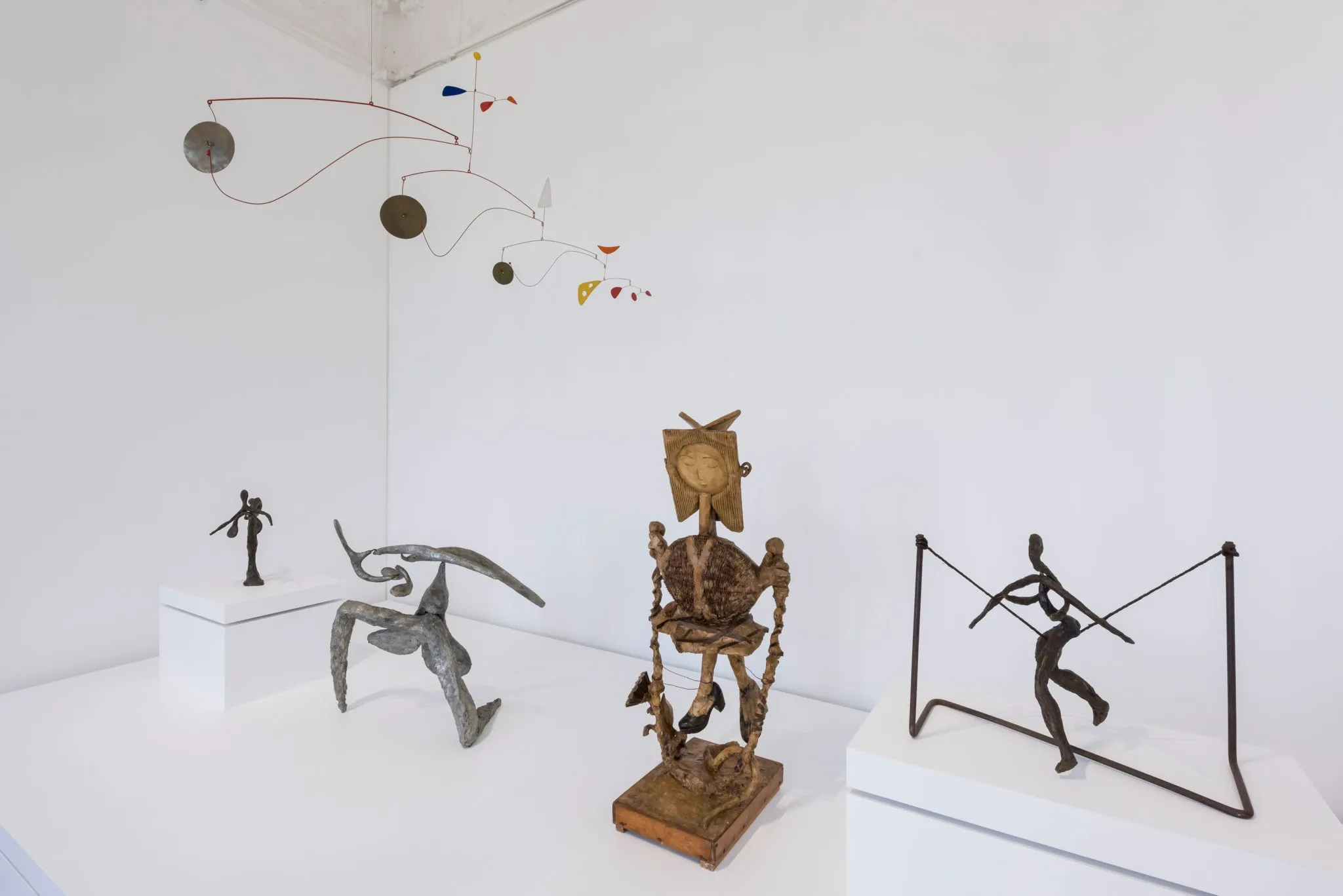
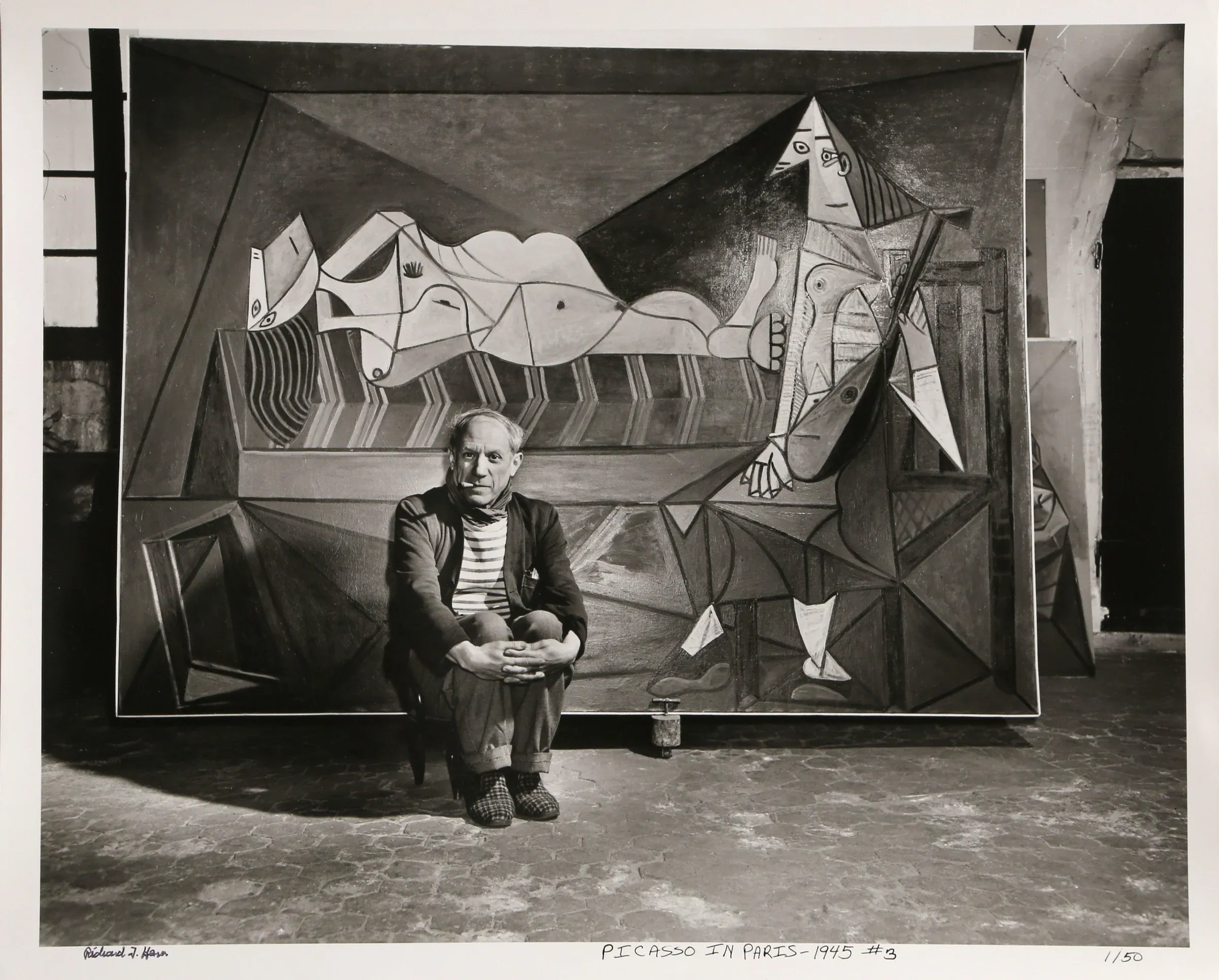
During the Occupation, Picasso remained in Paris, working in relative isolation. He could not exhibit freely, yet he drew ceaselessly; sculptures and still lifes grow denser, darker, more private. Friends came through the studio; the city’s shadows pressed close.
Archives and correspondence from the period complicate easy tales of resistance or retreat. The museum approaches these years with care, foregrounding documents that let visitors consider nuance rather than slogans.
Picasso in Popular Culture
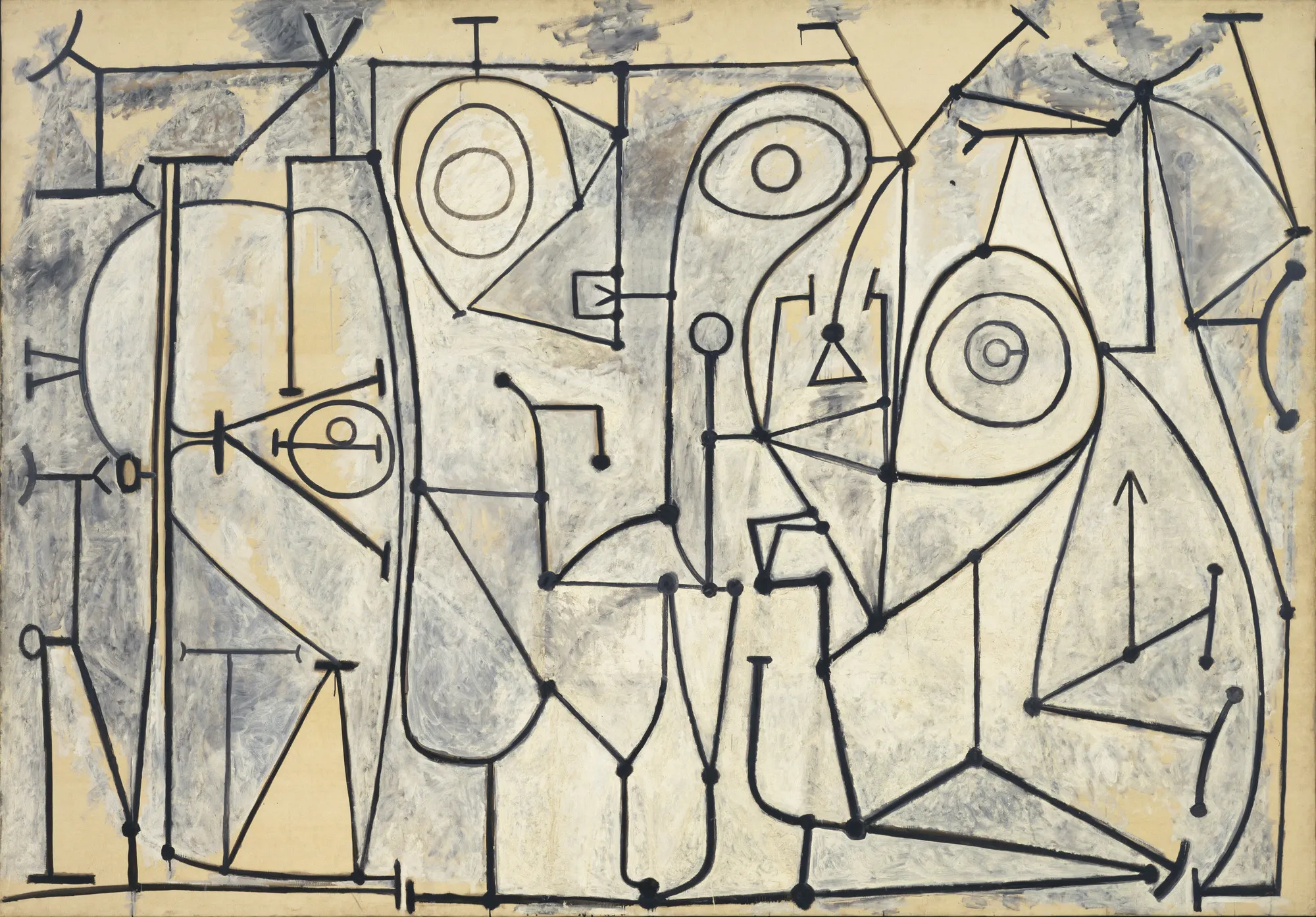
A global shorthand for modern art, Picasso appears in classrooms and cartoons, album covers and ad campaigns. The name can obscure the work; the museum counters by slowing the gaze, room by room, sheet by sheet.
Rotating displays reveal lesser‑known paths — printmaking detours, collaborative projects, ceramics made with glee — reminding us that fame is only one of many stories.
Visiting Today
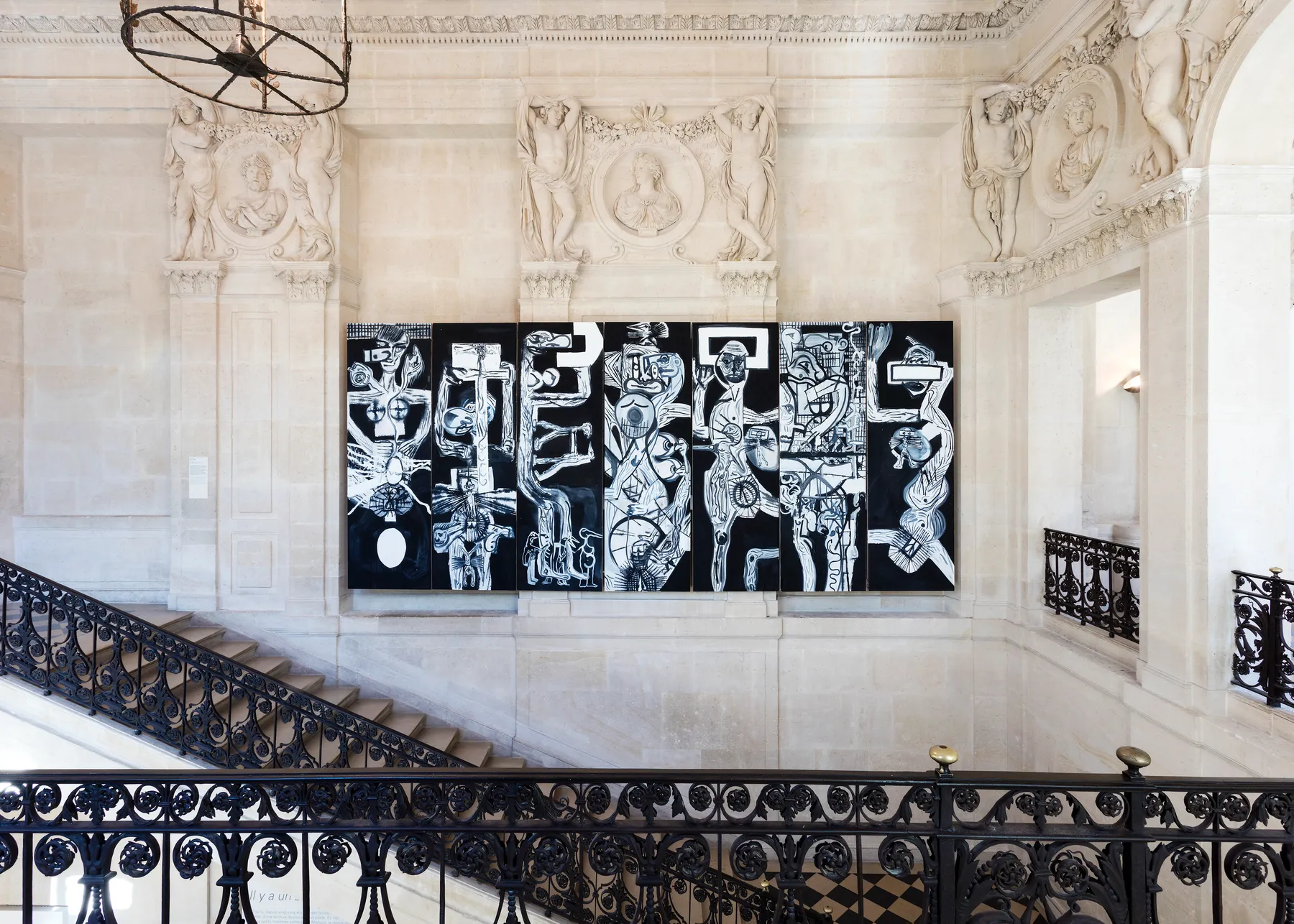
Expect a focused, human‑scale museum: generous labels, quiet benches, and rooms that invite you to double back. Exhibitions change regularly, so each visit reshuffles the deck.
Accessibility has improved with clearer routes and lifts. Timed‑entry tickets keep the rhythm comfortable, letting you spend more time looking and less time waiting.
Studios, Muses & Relationships
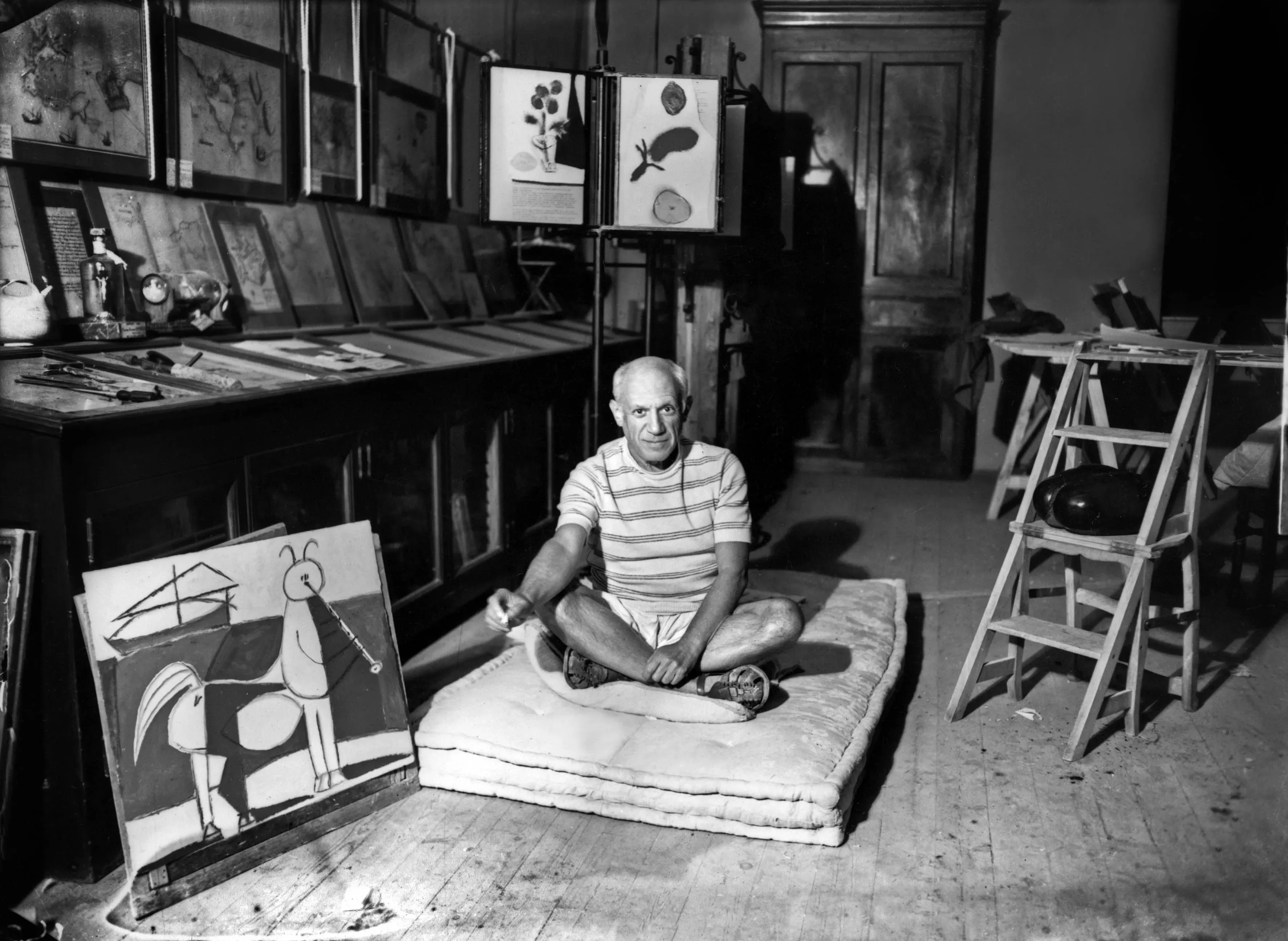
Picasso’s personal life runs through the work — portraits and puzzles, tenderness and theatre. The museum addresses these relationships candidly, using photographs and letters to show collaboration, care, and complexity.
Rather than mythologize, displays aim for proximity: how a sketch becomes a sculpture; how a face returns across years; how friendship and rivalry spark new turns.
Nearby Paris Landmarks
Before or after your visit, explore Le Marais: Place des Vosges, the villagey lanes around Rue de Bretagne, and contemporary galleries tucked behind wooden doors.
The Centre Pompidou and the Musée Carnavalet are a pleasant walk away; cafés and falafel counters abound on Rue des Rosiers.
Cultural & National Significance
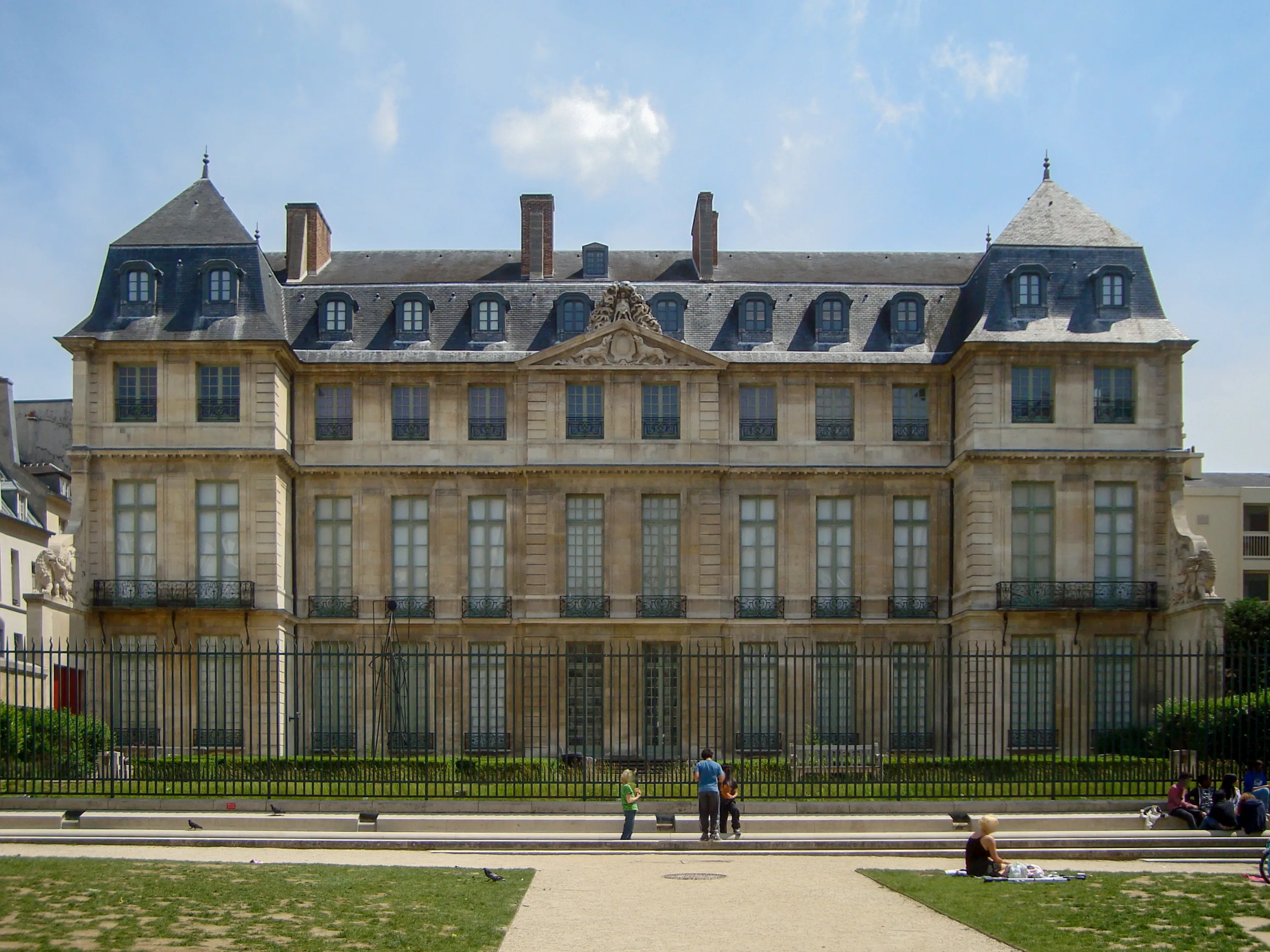
The Musée Picasso Paris safeguards more than masterpieces; it protects the conditions for looking slowly — a public space where experiment and doubt are part of the story of art.
Its collections, archives, and programs continue to shape how we understand the 20th century: not as a straight line of progress, but as a set of restless, human conversations.
Table of Contents
Picasso’s Life & Legacy
Pablo Picasso (1881–1973) moved restlessly through styles, cities, and materials: Málaga to Barcelona, Madrid to Paris; charcoal and oil, scrap metal and clay. He embraced contradiction — tenderness and ferocity, discipline and play — leaving a body of work that refuses to sit still. The Musée Picasso Paris brings that legacy close, not as a single ‘master narrative’ but as a constellation of attempts, reversals, and renewals.
Rather than a hall of trophies, the museum reads like a working diary: early academic sketches, Rose‑Period warmth, the jagged clarity of Cubism, collaborations with poets and printers, late‑life variations dashed off with startling freedom. It is a story of reinvention that still unsettles and delights, inviting us to look slowly and change our minds.
From Hôtel Salé to Museum
The Hôtel Salé was built in the 1650s for Pierre Aubert de Fontenay, a tax farmer whose fortune from salt (hence ‘Salé’) funded a residence of theatrical scale. Over centuries, the townhouse hosted schools and institutions, each leaving marks on the stone. In the late 20th century it was restored to house a new kind of museum: one shaped by artists’ papers, studio objects, and the intimacy of practice.
France’s dation program — accepting artworks in lieu of estate taxes — allowed Picasso’s heirs to donate an unparalleled ensemble of works and archives. The museum opened in 1985 and later underwent a major transformation (2009–2014), rethinking circulation, light, and display to give the collection room to breathe.
Architecture & Restoration
The Hôtel Salé’s baroque program is exuberant: a grand staircase that stages arrivals, stucco swirls catching light, and salons tall enough to let large works breathe. Restoration sought restraint — clean surfaces without erasing patina — so that architecture and art could share the stage.
Today’s circulation moves from sweeping rooms to intimate cabinets, alternating vistas and close‑looking. Windows frame the Marais; parquet creaks gently underfoot. The building doesn’t just contain Picasso — it converses with him, ornament and experiment trading winks across centuries.
Collections, Archives & Exhibitions
Beyond famous canvases, the museum’s power lies in what artists rarely show: hundreds of drawings, notebooks filled with arrows and doubts, printer’s proofs with corrections, scraps pinned to ideas. Sculptures in plaster and metal stand beside ceramics made with a mischievous grin.
Temporary exhibitions keep the collection alive — dialogues with contemporaries, reunions of series, or deep dives into a single theme or relationship. Archives underpin it all, anchoring scholarship and letting curators change the story without losing the thread.
Conservation & Research
Paper, plaster, and clay age differently. Conservators stabilize fragile supports, retension canvases, and rethink mounts so objects remain viewable without stress. Research projects trace materials and methods, from studio castings to printmaking partnerships.
Digital catalogues, provenance studies, and technical imaging open new questions: how an idea travels from drawing to sculpture; how a color recipe returns decades later; how archives complicate myths with ordinary evidence — invoices, invitations, snapshots.
Cultural Impact & Media
Picasso’s image — striped shirts, fierce eyes, quick hands — saturates books, posters, films. The museum navigates familiarity by foregrounding process, showing how repetition breeds invention and how myths can be gently corrected by evidence.
Public programs — talks, screenings, concerts — open new doors to the work. The museum has become a node in a larger cultural network, collaborating with institutions and lending works that travel widely.
Visitor Experience Over Time
Early displays emphasized ‘masterpieces’; over time, the museum has shifted toward narratives — periods, relationships, collaborations — and more immersive ways of looking, from study rooms to interactive tools.
Refurbishments improved accessibility and flow. Families sketch in the salons; students cluster around prints; longtime visitors return to see how the story has changed — and how it hasn’t.
Picasso in Occupied Paris
During the Occupation, Picasso remained in Paris, working in relative isolation. He could not exhibit freely, yet he drew ceaselessly; sculptures and still lifes grow denser, darker, more private. Friends came through the studio; the city’s shadows pressed close.
Archives and correspondence from the period complicate easy tales of resistance or retreat. The museum approaches these years with care, foregrounding documents that let visitors consider nuance rather than slogans.
Picasso in Popular Culture
A global shorthand for modern art, Picasso appears in classrooms and cartoons, album covers and ad campaigns. The name can obscure the work; the museum counters by slowing the gaze, room by room, sheet by sheet.
Rotating displays reveal lesser‑known paths — printmaking detours, collaborative projects, ceramics made with glee — reminding us that fame is only one of many stories.
Visiting Today
Expect a focused, human‑scale museum: generous labels, quiet benches, and rooms that invite you to double back. Exhibitions change regularly, so each visit reshuffles the deck.
Accessibility has improved with clearer routes and lifts. Timed‑entry tickets keep the rhythm comfortable, letting you spend more time looking and less time waiting.
Studios, Muses & Relationships
Picasso’s personal life runs through the work — portraits and puzzles, tenderness and theatre. The museum addresses these relationships candidly, using photographs and letters to show collaboration, care, and complexity.
Rather than mythologize, displays aim for proximity: how a sketch becomes a sculpture; how a face returns across years; how friendship and rivalry spark new turns.
Nearby Paris Landmarks
Before or after your visit, explore Le Marais: Place des Vosges, the villagey lanes around Rue de Bretagne, and contemporary galleries tucked behind wooden doors.
The Centre Pompidou and the Musée Carnavalet are a pleasant walk away; cafés and falafel counters abound on Rue des Rosiers.
Cultural & National Significance
The Musée Picasso Paris safeguards more than masterpieces; it protects the conditions for looking slowly — a public space where experiment and doubt are part of the story of art.
Its collections, archives, and programs continue to shape how we understand the 20th century: not as a straight line of progress, but as a set of restless, human conversations.